

For sensitive teeth, the best natural teeth whitening pen is a low-strength, food-grade hydrogen peroxide formula paired with soothing botanicals like chamomile and aloe vera. This guide covers how to choose a safe pen, the role of sea salt and essential oils in oral care, and how to build a gentle routine with Dale Audrey R.D.H. products.
How to Choose a Whitening Pen for Sensitive Teeth
Choosing a whitening pen for sensitive teeth requires looking beyond the marketing claims. A whitening pen is a targeted delivery system that applies a small amount of gel directly to the front surfaces of the teeth. For those with sensitivity, the key is a gentle, low-strength formula that does not rely on harsh abrasives or high concentrations of peroxide.
Understanding the Active Ingredients
Most effective whitening pens use hydrogen peroxide or carbamide peroxide. These ingredients break down colored compounds within the tooth's outer layers. Hydrogen peroxide is commonly used in professional and at-home whitening because it can lighten extrinsic staining from foods, drinks, and tobacco. However, the concentration matters. A lower strength is generally safer for sensitive enamel.
The Role of Botanicals
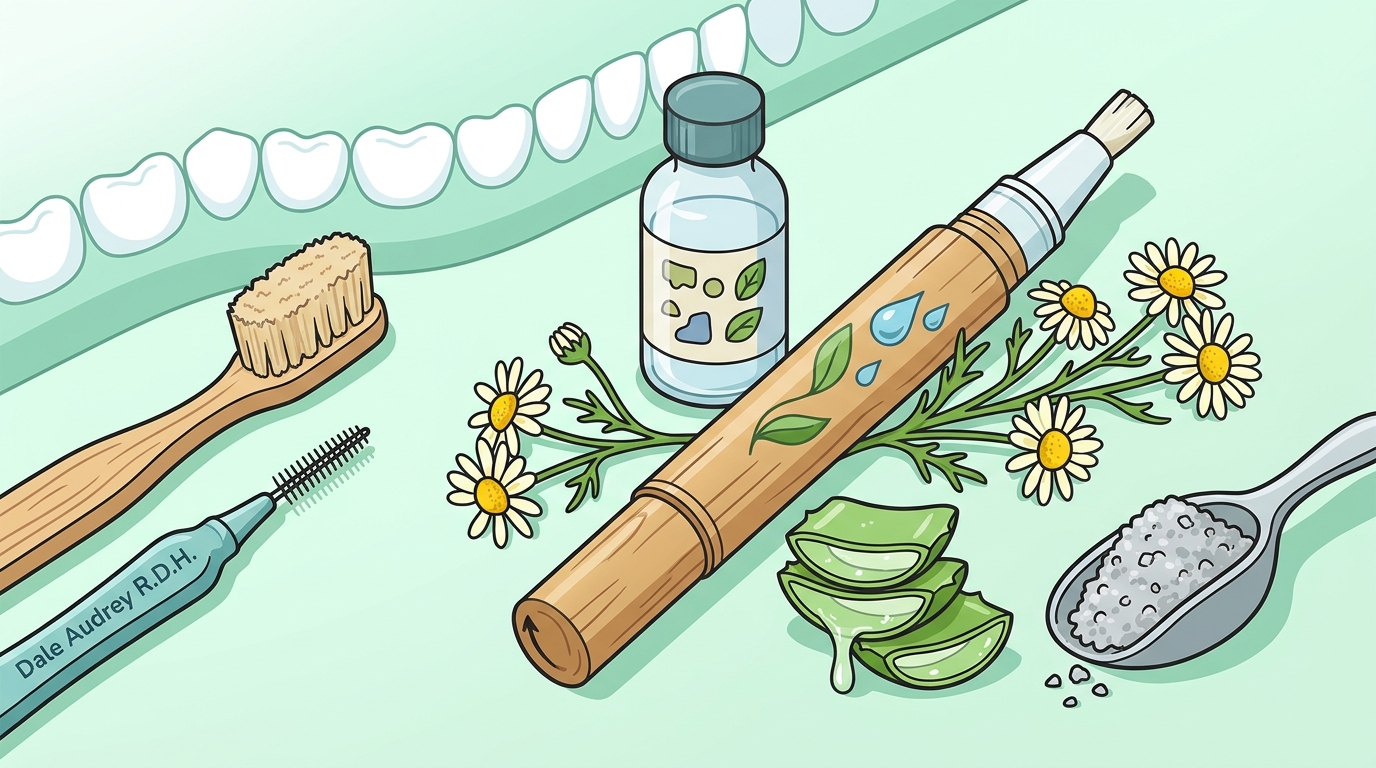
Natural formulations often include botanical ingredients to soothe the gums and enamel. Chamomile and aloe vera are popular choices because they are known for their calming properties. These ingredients help make the whitening process more comfortable, especially for those who experience stinging with conventional products. At Dale Audrey R.D.H., our White2Nite pen is formulated with food-grade hydrogen peroxide, chamomile, and aloe vera to provide a gentle yet effective whitening experience.
Application Technique Matters
How you apply the pen is just as important as the formula. A pen format allows for precision, letting you target only the stained areas. Avoid applying gel to the gums, as this can cause irritation. Follow the manufacturer's instructions for frequency and duration. Consistency is more helpful than overuse. If you notice increased sensitivity, reduce the frequency of use or stop and consult your dental professional.
Sea Salt and Oral Health
Sea salt has a long history in oral care, often used in rinses to support gum health. A salt water rinse is a simple home remedy that can help soothe irritated gums and reduce inflammation. The minerals in sea salt may help create an environment that is less favorable for harmful bacteria.
Benefits of Salt Water Rinses
Rinsing with a warm salt water solution can help clean the mouth and promote healing. It is a gentle alternative to alcohol-based mouthwashes, which can be drying and irritating for sensitive gums. Dale Audrey R.D.H. offers a Himalayan Salt Water Mouth Rinse that provides the benefits of salt without the hassle of mixing your own solution. This rinse is made without SLS, artificial colors, or alcohol, making it a suitable addition to a sensitive teeth routine.
Integrating Salt Rinses into Your Routine
You can use a salt water rinse after brushing or as a mid-day refresh. It helps to keep the mouth clean and fresh between brushings. For those with sensitive gums, a gentle salt rinse can be a comforting part of the daily routine. It is important to note that salt rinses are a supplement to, not a replacement for, professional dental care and regular brushing.
Essential Oils in Natural Dental Care
Essential oils are concentrated plant extracts that have been used in traditional medicine for centuries. In natural dental care, essential oils are valued for their antimicrobial and soothing properties. They can help freshen breath and support gum health without the harsh chemicals found in conventional products.
Common Essential Oils in Oral Care
Several essential oils are commonly used in natural toothpastes and rinses. Clove oil is known for its analgesic properties and can help soothe toothaches. Peppermint oil provides a fresh, cooling sensation and helps combat bad breath. Tea tree oil has antimicrobial properties that can help reduce plaque. At Dale Audrey R.D.H., our Ayurvedic Oil Pulling Rinse includes clove bud oil and other botanicals to support oral wellness.
Oil Pulling and Essential Oils
Oil pulling is a traditional Ayurvedic practice of swishing oil around the mouth. It is believed to help remove toxins and bacteria from the oral cavity. While the scientific evidence for oil pulling is mixed, many people find it a relaxing and effective part of their routine. Dale Audrey R.D.H. offers an Ayurvedic Oil Pulling Rinse that is designed for a quick 30-second swish, making it easy to incorporate into a busy morning. This rinse is sink-safe, so you can simply spit it out and rinse.
Product Comparison Table
The following table compares key features of natural oral care products from Dale Audrey R.D.H. that are suitable for sensitive teeth.
| Product | Key Ingredients | Best For | Sensitivity Considerations |
|---|---|---|---|
| White2Nite Whitening Pen | Food-grade hydrogen peroxide, chamomile, aloe vera | Targeted whitening of surface stains | Low-strength formula, gentle on sensitive teeth |
| Himalayan Salt Water Rinse | Himalayan salt, water | Soothing gums, mid-day refresh | Alcohol-free, non-irritating |
| Ayurvedic Toothpaste with Nano-Hydroxyapatite | Nano-hydroxyapatite, botanicals | Daily cleaning and enamel support | Fluoride-free, gentle abrasive |
| Ayurvedic Neem Chew Sticks | Licorice root, neem | On-the-go breath freshening | 100% natural, no added preservatives |
Key Takeaways
- Choose a whitening pen with a low-strength, food-grade hydrogen peroxide formula for sensitive teeth.
- Look for soothing botanicals like chamomile and aloe vera in your whitening product.
- Apply the pen precisely to stained areas and avoid contact with the gums.
- Sea salt rinses can help soothe irritated gums and support oral health.
- Oil pulling is a traditional practice that can be a relaxing addition to your routine.
- Consistency is key; overuse of whitening products can increase sensitivity.
- Always consult your dental professional if you experience persistent pain or sensitivity.
Frequently Asked Questions
Is a whitening pen safe for sensitive teeth?
Yes, a whitening pen can be safe for sensitive teeth if it is a low-strength formula and used as directed. Look for products with soothing ingredients like chamomile and aloe vera.
How often should I use a whitening pen?
Follow the manufacturer's instructions. Typically, whitening pens are used once or twice a day. For maintenance, you may reduce the frequency to a few times a week.
Can I use a salt water rinse with a whitening pen?
Yes, a salt water rinse can be a gentle addition to your routine. It can help soothe the gums after whitening. Just make sure to rinse your mouth thoroughly after using the pen.
What are the benefits of essential oils in dental care?
Essential oils like clove and peppermint have antimicrobial properties and can help freshen breath. They are a natural alternative to harsh chemicals in conventional products.
Is oil pulling effective for whitening teeth?
Oil pulling is not a whitening treatment, but it can help remove surface stains and bacteria. It is a traditional practice that many people find beneficial for overall oral health.
What should I do if my teeth become more sensitive after whitening?
If you notice increased sensitivity, reduce the frequency of whitening or stop using the product. Consult your dental professional to rule out other causes of sensitivity.
Conclusion
Choosing the right natural teeth whitening pen for sensitive teeth is about finding a balance between effectiveness and gentleness. By selecting a low-strength formula with soothing botanicals and incorporating gentle practices like salt rinses and oil pulling, you can achieve a brighter smile without compromising your comfort. Dale Audrey R.D.H. offers a range of natural oral care products designed to support your oral wellness. Explore our natural tooth whitening collection to find the right products for your needs. Remember, consistent and gentle care is the key to a healthy, bright smile.