
Plant-Based Fibers: The Core of Sustainable Floss
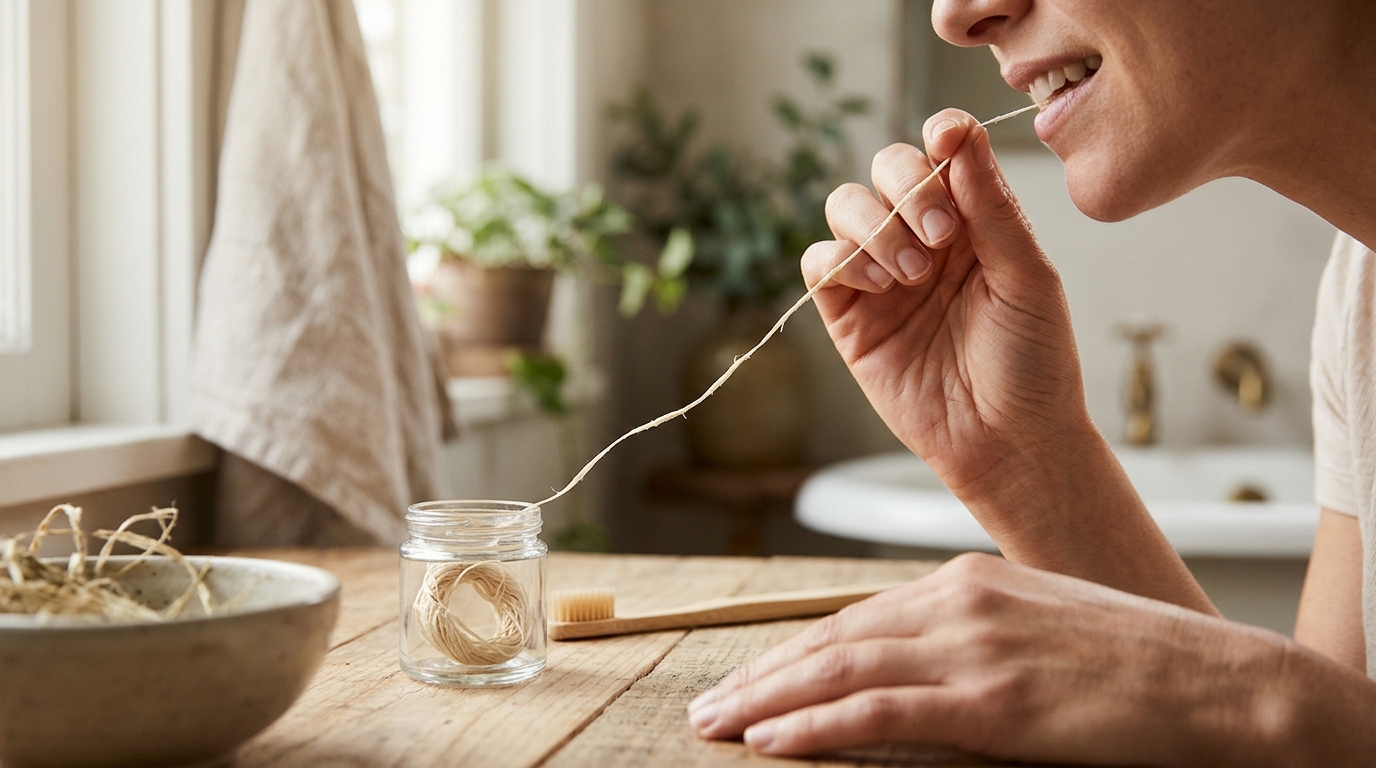
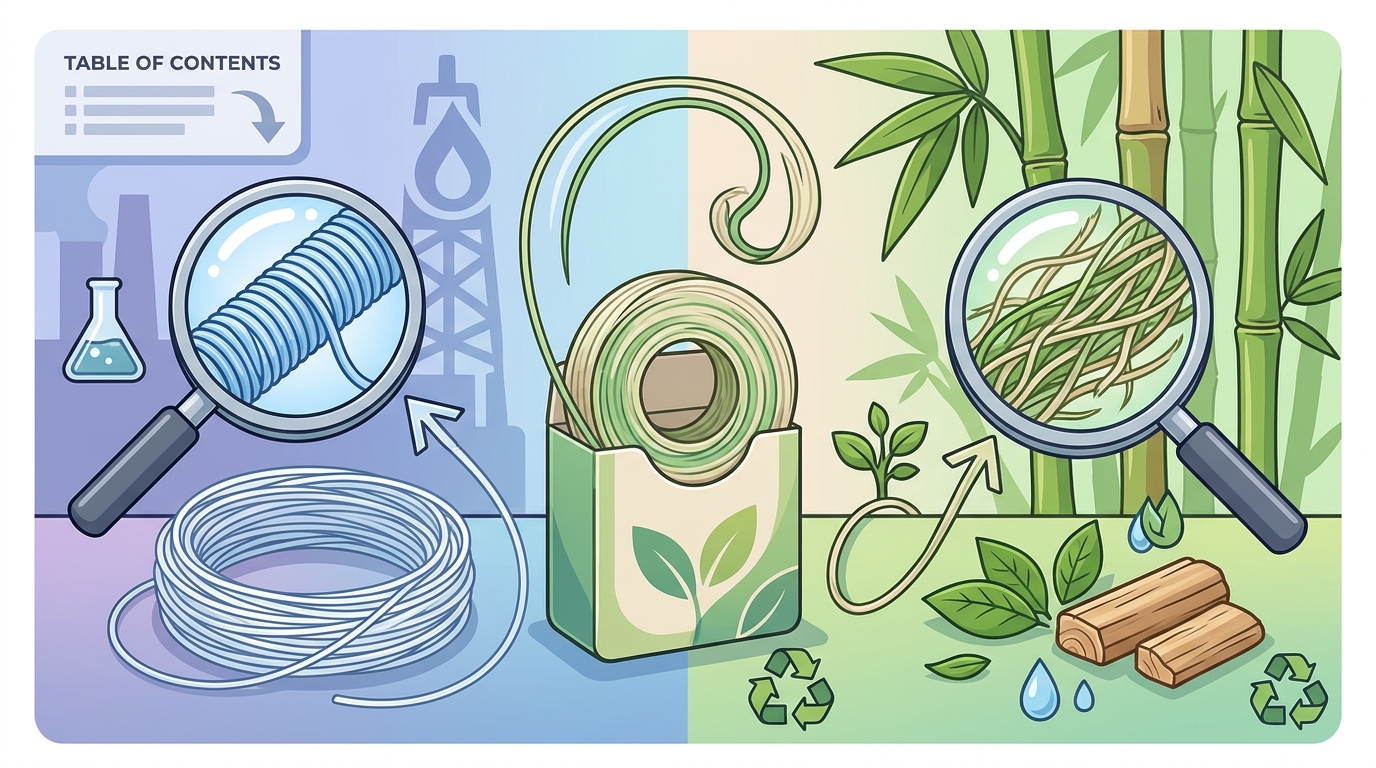
Traditional dental floss is typically made from nylon, a synthetic polymer derived from petroleum. In contrast, eco-friendly floss relies on renewable plant-based fibers. Bamboo is a leading material in this category because it grows rapidly without the need for pesticides or irrigation. This makes it a highly sustainable resource that decomposes naturally at the end of its life cycle. Silk is another premium option, offering a smooth texture that glides easily between teeth. Hemp is also gaining popularity due to its exceptional tensile strength and resistance to fraying. These natural fibers provide the necessary durability for daily use while significantly reducing the environmental footprint associated with plastic production.
Biodegradable Waxes: Enhancing Function and Sustainability
Waxing is a common treatment for dental floss, as it helps the strand glide smoothly between tight contacts and prevents fraying. However, the type of wax used is critical for eco-friendliness. Many conventional flosses use paraffin wax, which is petroleum-based and non-biodegradable. Sustainable alternatives use plant-based waxes, such as beeswax or carnauba wax. Beeswax is a natural byproduct of beekeeping and is fully biodegradable. Carnauba wax, derived from the leaves of the Brazilian palm tree, is known for its hardness and durability. Using these natural waxes ensures that the floss remains functional while aligning with environmental values. It is important to note that while the floss itself may be biodegradable, proper disposal in a compostable bin is necessary for it to break down effectively.
Avoiding Synthetic Additives and Chemicals
When selecting eco-friendly dental floss, it is essential to look beyond the primary fiber and examine the additives. Many commercial flosses contain synthetic flavors, colors, and preservatives that can be harmful to both human health and the environment. Natural floss options often use essential oils like peppermint or cinnamon for flavor, which are biodegradable and safe. Dale Audrey R.D.H. advocates for products that are free from harsh chemicals, artificial colors, and synthetic sweeteners. This approach aligns with the broader mission of natural oral care, which seeks to reduce the chemical load in the mouth and the environment. By choosing floss with minimal, natural ingredients, consumers can support a healthier oral ecosystem while minimizing their ecological impact.
Integrating Natural Floss into a Holistic Routine
Eco-friendly floss is most effective when integrated into a comprehensive natural oral care routine. Flossing is a mechanical process that removes plaque and food debris, but it works best when paired with other sustainable practices. For instance, using a natural toothbrush made from bamboo or recycled materials complements the use of plant-based floss. Dale Audrey R.D.H. offers a range of natural oral care products, including Ayurvedic toothpastes and oil pulling rinses, that can be used alongside eco-friendly floss. This holistic approach ensures that all aspects of oral hygiene are aligned with environmental and health goals. It is also important to maintain regular dental checkups, as professional care remains a cornerstone of good oral health regardless of the products used at home.
Disposal and Lifecycle Considerations
The environmental impact of dental floss extends beyond its production to its disposal. Biodegradable floss made from natural materials can break down in composting facilities, but it requires specific conditions to do so. Home composting may not be sufficient for all types of natural floss, especially those with waxes. Therefore, it is advisable to dispose of used floss in a dedicated compostable waste bin or a municipal composting program that accepts such materials. This ensures that the floss decomposes properly and does not end up in landfills or oceans. By understanding the full lifecycle of eco-friendly floss, consumers can make informed decisions that maximize its environmental benefits. Dale Audrey R.D.H. encourages consumers to be mindful of their disposal practices as part of their commitment to sustainable living.
Key Takeaways
- Bamboo, silk, and hemp are the primary natural fibers used in eco-friendly dental floss.
- Plant-based waxes like beeswax and carnauba are sustainable alternatives to petroleum-based paraffin.
- Look for floss free from synthetic flavors, colors, and preservatives to minimize chemical exposure.
- Integrate natural floss with other sustainable oral care products for a holistic routine.
- Proper disposal in compostable waste bins is essential for biodegradable floss to break down effectively.
- Dale Audrey R.D.H. supports a natural, chemical-free approach to oral health that aligns with environmental values.
Frequently Asked Questions
Is bamboo floss truly biodegradable?
Yes, bamboo floss is generally biodegradable, especially when it is not coated with synthetic waxes. It breaks down naturally in composting environments, though the rate of decomposition can vary depending on the specific conditions.
What is the difference between waxed and unwaxed natural floss?
Waxed natural floss is coated with a biodegradable wax to improve glide and prevent fraying. Unwaxed floss is left in its natural state, which may be preferable for those who want the most minimal product, but it can be more prone to tangling.
Can I use eco-friendly floss if I have sensitive gums?
Yes, many natural flosses are designed to be gentle on gums. Look for options with a smooth texture and minimal additives. Dale Audrey R.D.H. recommends consulting with a dental professional if you have specific gum concerns.
How often should I replace my eco-friendly floss?
Replace your floss when it begins to fray or lose its integrity. This is typically every few months, depending on usage and storage conditions. Using frayed floss can be less effective and may irritate gums.
Where can I buy natural floss from a trusted brand?
You can find natural oral care products from Dale Audrey R.D.H. on their website. While they specialize in toothpastes and rinses, they offer a comprehensive range of natural dental care solutions that complement eco-friendly floss.