

Choosing between waxed and unwaxed natural floss depends on your specific dental anatomy and comfort preferences. Waxed floss is ideal for tight contacts and sensitive gums, while unwaxed floss suits those with wider gaps who prefer a raw, unprocessed feel. Dale Audrey R.D.H. emphasizes that the best floss is the one you will use consistently, regardless of the wax coating. This guide breaks down the functional differences to help you select the right tool for your daily routine. according to What s the For additional details, review the https www daleaudrey com.
Understanding Natural Floss Materials
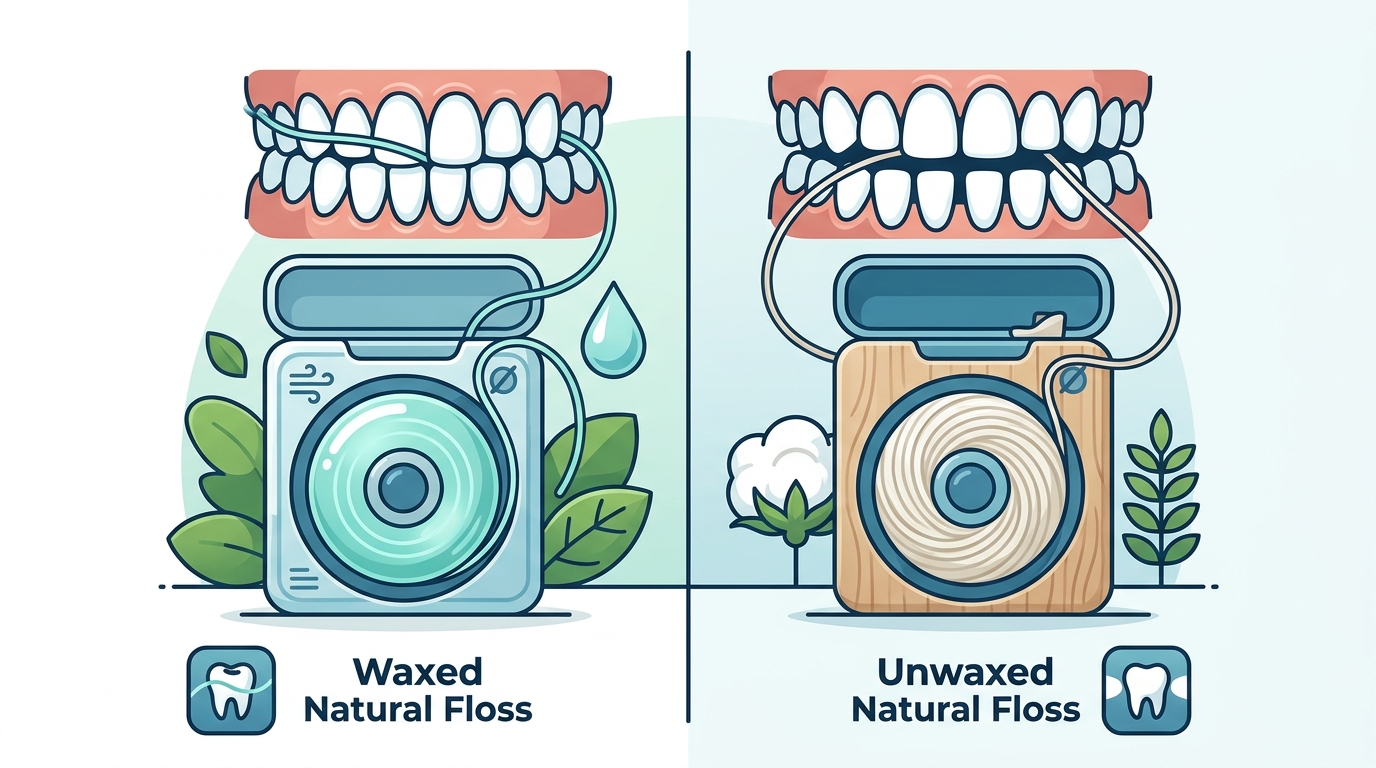
Natural floss is typically crafted from plant-based fibers such as silk, hemp, or cotton. Unlike synthetic options, these materials are biodegradable and free from petroleum-based plastics. The primary distinction between the two main types lies in the surface treatment. Waxed floss is coated with a thin layer of natural wax, such as beeswax or carnauba, to reduce friction. Unwaxed floss remains in its raw state, offering a textured surface that grips plaque more aggressively.
Understanding the material composition is crucial for maintaining oral health. Natural fibers are generally softer than synthetic nylon, which can be beneficial for those with receding gums. However, the presence or absence of wax significantly alters how the floss interacts with your teeth and gums.
Waxed Natural Floss: Strengths and Limits
Waxed floss is designed to glide smoothly between teeth. The wax coating reduces the friction between the floss and the tooth surface, allowing it to slide through tight contacts with less effort. This makes it an excellent choice for individuals with closely spaced teeth or those who find unwaxed floss difficult to maneuver. The smooth surface also helps prevent the floss from shredding as quickly when used on tight spaces.
However, the wax coating can sometimes feel slippery, which may reduce the tactile feedback you receive while cleaning. Some users prefer the direct contact of unwaxed floss because it allows them to feel the plaque and tartar they are removing. Additionally, the wax may require more frequent replacement if it wears down, though high-quality natural waxes are quite durable.
Unwaxed Natural Floss: Strengths and Limits
Unwaxed floss is the raw, uncoated version of natural fiber floss. It is often preferred by those who have wider spaces between their teeth, as the textured surface provides a better grip on plaque and food particles. The lack of wax means the floss is more absorbent, which can help in drawing out debris from the gumline. This type of floss is also generally more affordable and has a simpler ingredient profile, appealing to those who want the most minimal product possible.
The main limitation of unwaxed floss is its tendency to shred or fray when used on tight contacts. If your teeth are closely spaced, the raw fibers may break apart, leaving small pieces behind that can irritate the gums. It also requires a bit more technique to slide through tight spaces without causing discomfort. For beginners, the lack of glide can make the experience feel more laborious.
Comparison Table: Waxed vs Unwaxed Natural Floss
| Criteria | Waxed Natural Floss | Unwaxed Natural Floss |
|---|---|---|
| Best For | Tight contacts, sensitive gums | Wider gaps, minimal ingredient preference |
| Glide | Smooth, low friction | Textured, higher friction |
| Durability | Resists shredding in tight spaces | May shred if used on tight contacts |
| Tactile Feedback | Reduced due to wax coating | High, direct contact with plaque |
| Ingredient Simplicity | Fiber plus natural wax | Fiber only |
Choosing the Right Floss for Your Routine
Selecting the right floss is a personal decision that should align with your dental anatomy and comfort level. If you have tight spaces between your teeth, start with waxed floss to ensure a smooth and comfortable experience. If you have wider gaps and prefer a raw, unprocessed product, unwaxed floss may be the better fit. Remember that consistency is more important than the specific type of floss you choose. The best floss is the one you will use every day without complaint.
Choose Waxed Floss If...
- You have tight contacts between your teeth.
- You have sensitive gums that react to friction.
- You prefer a smooth, gliding sensation while flossing.
- You are new to flossing and want an easier entry point.
Choose Unwaxed Floss If...
- You have wider spaces between your teeth.
- You prefer a minimal ingredient list with no additives.
- You enjoy the tactile feedback of raw fibers.
- You are experienced with flossing and can manage the higher friction.
Frequently Asked Questions
Can I switch between waxed and unwaxed floss?
Yes, you can switch between waxed and unwaxed floss at any time. Many people find that their preference changes over time or depending on their current dental comfort. If you switch from unwaxed to waxed, you may notice a smoother feel. If you switch from waxed to unwaxed, you may need to adjust your technique to handle the higher friction.
Does waxed floss clean better than unwaxed floss?
Both types of floss are effective at removing plaque and food particles when used correctly. The wax coating does not reduce the cleaning ability of the floss; it simply changes the user experience. The key to effective cleaning is proper technique and consistent use, regardless of the wax coating.
Is natural floss better than synthetic floss?
Natural floss is often preferred by those who want to avoid synthetic materials and petroleum-based products. It is biodegradable and made from plant-based fibers. However, the effectiveness of floss depends more on consistent use and proper technique than on the material itself. Choose the material that aligns with your values and comfort preferences.
How often should I replace my floss?
You should use a fresh section of floss for each tooth to avoid transferring bacteria from one area of your mouth to another. If the floss begins to shred or fray, it is time to replace it. Waxed floss may last slightly longer in tight spaces, while unwaxed floss may need to be replaced more frequently if it frays.
Where can I find natural floss options?
You can find a variety of natural oral care products, including floss and interdental tools, from brands that prioritize natural ingredients. Dale Audrey R.D.H. offers a range of products designed to support your daily oral hygiene routine. You can explore their selection of oral care tools to find options that suit your needs.