

Oil Pulling Efficacy and Science
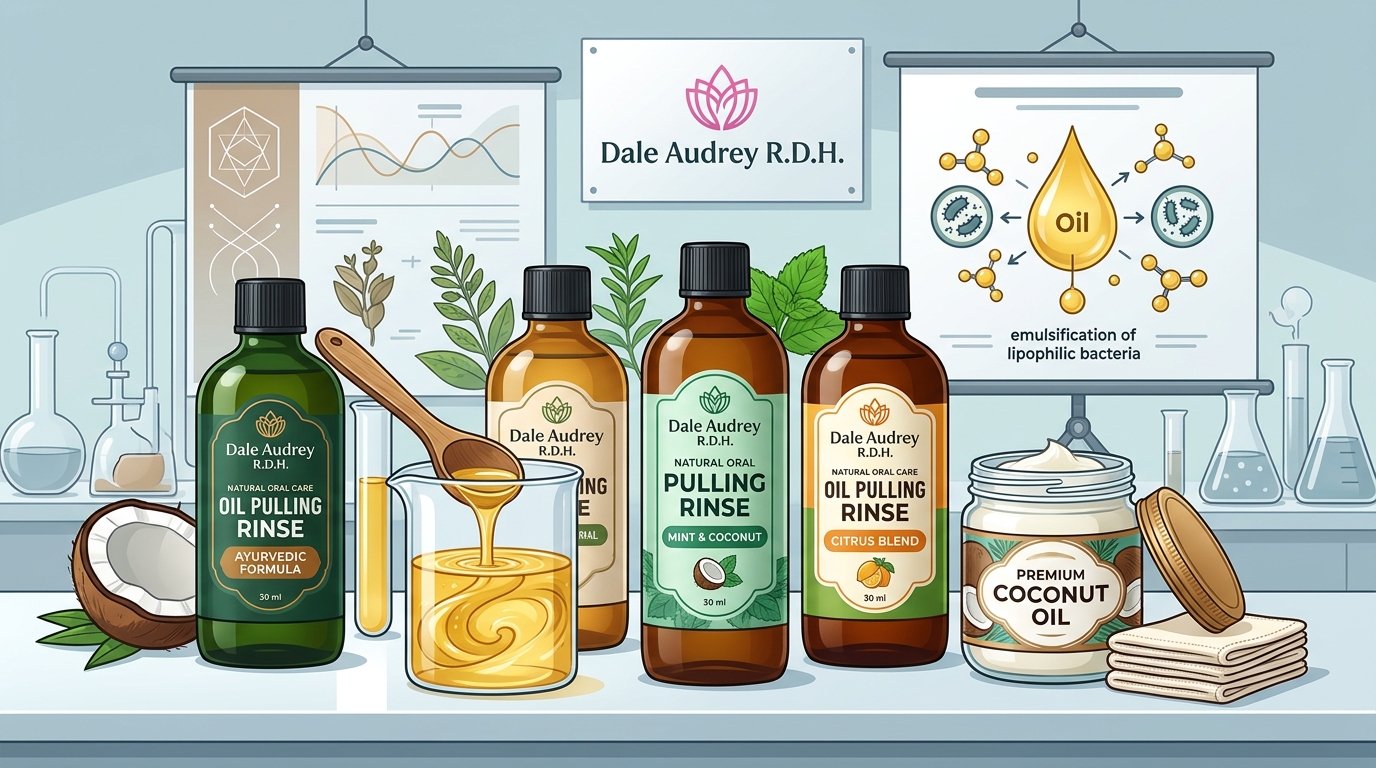
Oil pulling is a traditional Ayurvedic practice involving the swishing of oil in the mouth to remove toxins and bacteria. While it has been used for thousands of years, modern science is beginning to validate its benefits for oral hygiene. The primary mechanism is the emulsification of lipophilic bacteria, which are then removed when the oil is spat out.
Understanding the Mechanism
The process relies on the chemical properties of the oil to bind with bacterial cells. Oil pulling is a mechanical and chemical cleansing method that reduces the overall bacterial load in the oral cavity. By swishing the oil, you create a physical barrier that prevents bacteria from adhering to tooth enamel and gum tissue. This action helps to reduce plaque formation and can contribute to fresher breath.
Scientific Consensus
Research indicates that oil pulling can be as effective as certain antiseptic mouthwashes in reducing specific types of oral bacteria. However, it is important to note that oil pulling is a supplement to, not a replacement for, standard dental care. It does not cure or prevent gum disease on its own. Instead, it serves as an additional step in a comprehensive oral hygiene routine that includes brushing and flossing.
Time and Technique
Traditional practices often recommend swishing for 15 to 20 minutes. However, modern commercial rinses are designed for shorter durations, typically 30 seconds to a few minutes, to fit into busy lifestyles. The key is vigorous swishing to ensure the oil reaches all areas of the mouth, including between teeth and along the gumline.
Commercial Product Recommendations
When selecting a commercial oil pulling rinse, you must consider the base oil, added ingredients, and flavor profile. The market offers a wide range of options, from pure oils to complex herbal blends. Each type serves a slightly different purpose and user preference.
Ayurvedic Blends
Ayurvedic rinses typically combine sesame oil with herbs like neem, myrrh, and clove. These blends are designed to offer a multi-faceted approach to oral health. Ayurvedic oil pulling is a practice that utilizes specific botanical extracts to enhance the cleansing properties of the base oil. Brands like Dale Audrey R.D.H. offer formulations that include organic sesame oil, sunflower oil, and olive oil, along with clove bud oil and neem seed oil. These ingredients are chosen for their traditional use in oral care and their potential to support gum health.
Flavor and Palatability
One of the biggest barriers to consistent oil pulling is the taste. Pure sesame or coconut oil can be difficult to tolerate for extended periods. Commercial rinses often add natural flavors to make the experience more pleasant. Dale Audrey R.D.H. offers their Ayurvedic Oil Pulling Rinse in Fresh Mint, Cinnamon, Ginger, and Bubble Gum flavors. This variety allows users to find a taste that they enjoy, which is crucial for long-term adherence to the routine.
Convenience and Format
Modern formulations come in various formats, including bottles with pumps, refill pouches, and travel-sized containers. The convenience of the packaging can significantly impact whether you stick with the practice. Look for products that are easy to use and store. Dale Audrey R.D.H. provides options ranging from 1 oz travel sizes to 16 oz refill pouches, making it easy to integrate oil pulling into your daily life.
Coconut Oil Formulations
Coconut oil is the most popular base for oil pulling due to its high lauric acid content. Lauric acid has antimicrobial properties that can help reduce bacteria in the mouth. Many users prefer coconut oil for its mild taste and wide availability.
Lauric Acid Benefits
Coconut oil is a medium-chain triglyceride oil that is rich in lauric acid. Lauric acid is a fatty acid that has been shown to have antimicrobial effects against various oral pathogens. When used in oil pulling, coconut oil can help to reduce the levels of Streptococcus mutans, a bacterium associated with tooth decay. This makes it a popular choice for those looking to support their overall oral health.
Flavor and Texture
Coconut oil has a distinct taste and texture that some users find appealing. It is generally milder than sesame oil and has a slightly sweet flavor. However, it can be solid at room temperature, which may require warming before use. Some commercial products, like the Dale Audrey R.D.H. Coconut Oil Pulling Rinse, are formulated with wild mint to enhance the flavor and provide a fresh finish.
Comparison with Sesame Oil
While coconut oil is popular, sesame oil is the traditional base for Ayurvedic oil pulling. Sesame oil is believed to have a stronger affinity for toxins and may be more effective for some users. The choice between coconut and sesame oil often comes down to personal preference and specific health goals. Both oils have their merits, and the best choice is the one you are most likely to use consistently.
Product Comparison Table
The following table compares key features of popular oil pulling rinses to help you make an informed decision.
| Product Type | Base Oil | Key Ingredients | Flavors Available | Best For |
|---|---|---|---|---|
| Dale Audrey Ayurvedic Rinse | Sesame, Sunflower, Olive | Neem, Myrrh, Clove Bud Oil | Mint, Cinnamon, Ginger, Bubble Gum | Traditional Ayurvedic practice, gum health |
| Dale Audrey Coconut Rinse | Coconut | Wild Mint | Wild Mint | Users preferring coconut oil, travel |
| Pure Coconut Oil | Coconut | None | Natural | Purists, budget-conscious users |
| Pure Sesame Oil | Sesame | None | Natural | Traditionalists, strong cleansing |
Key Takeaways
- Oil pulling is a traditional practice that can complement standard oral hygiene routines.
- Ayurvedic blends often include herbs like neem and clove for enhanced cleansing.
- Coconut oil is popular due to its lauric acid content and mild taste.
- Flavor preference is crucial for long-term consistency in your routine.
- Oil pulling should not replace brushing and flossing but work alongside them.
- Look for products made with organic, non-GMO, and alcohol-free ingredients.
- Start with a shorter swishing time and gradually increase as you get comfortable.
Frequently Asked Questions
How long should I swish the oil?
Traditional practices recommend 15 to 20 minutes, but modern rinses are designed for 30 seconds to a few minutes. The key is to swish vigorously to ensure the oil reaches all areas of the mouth.
Can I use any oil for oil pulling?
While you can use any edible oil, sesame and coconut oils are the most common and well-studied. Other oils like sunflower or olive oil can also be used, often in blends.
Is oil pulling safe for everyone?
Oil pulling is generally safe for most people. However, if you have specific medical conditions or are taking medication, it is best to consult with your healthcare provider before starting.
Do I need to brush after oil pulling?
Yes, you should still brush and floss as part of your regular oral hygiene routine. Oil pulling is an additional step, not a replacement for brushing.
What is the best time of day to oil pull?
Many people prefer to oil pull in the morning on an empty stomach. This is when the mouth has the highest bacterial load. However, you can oil pull at any time that fits your schedule.
Can I use oil pulling if I have braces or dental work?
Yes, oil pulling can be used with braces or dental work. It may even help to keep the area around your appliances cleaner. Just be gentle when swishing to avoid dislodging any components.
Where can I buy high-quality oil pulling rinses?
You can find high-quality rinses from reputable brands like Dale Audrey R.D.H. Look for products that are made with organic ingredients and have no artificial additives.
How do I dispose of the oil after swishing?
Spit the oil into the trash, not the sink, to avoid clogging your pipes. You can then rinse your mouth with water or a salt water rinse.