

7 Key Differences Between Natural Oral Care Brands and Traditional Toothpaste Companies
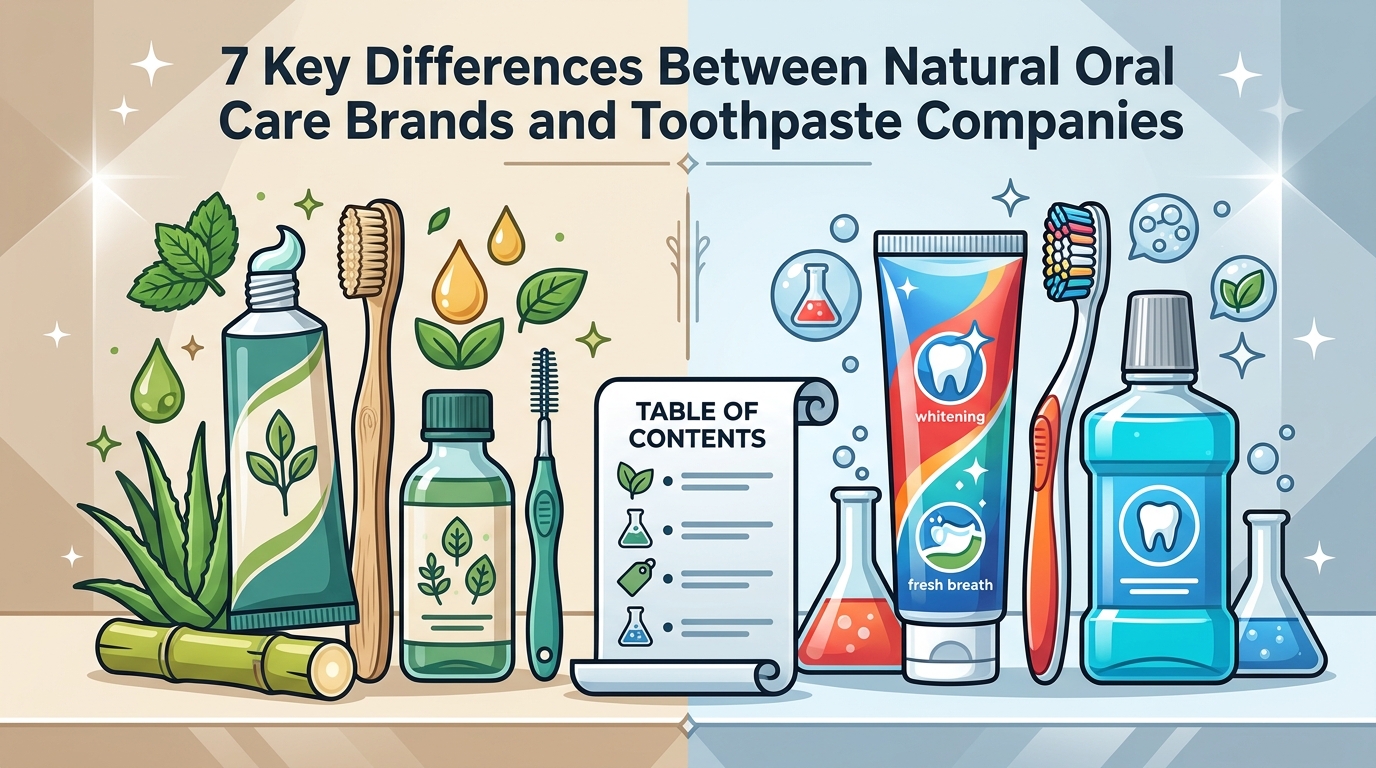
Natural oral care brands and traditional toothpaste companies differ significantly in their ingredient philosophies, product development processes, and target consumer bases. Traditional companies often prioritize broad market appeal and aggressive chemical formulations, while natural brands focus on botanical ingredients and holistic wellness. Understanding these distinctions helps consumers make informed choices about their daily oral hygiene routines.
1. Ingredient Philosophy
Natural brands prioritize botanical and mineral ingredients over synthetic chemicals. Traditional toothpaste companies frequently rely on synthetic detergents like sodium lauryl sulfate (SLS) to create foam, which some consumers find irritating. Natural oral care brands, such as Dale Audrey R.D.H., often formulate products using herbs like neem, myrrh, and amla, combined with gentle mineral polishes like calcium carbonate. This approach aims to clean teeth effectively while avoiding harsh additives that may disrupt oral microbiome balance.
2. Fluoride Approach
Traditional companies typically include fluoride as a primary active ingredient, while natural brands often exclude it. Fluoride is widely recognized for its role in strengthening enamel and preventing cavities in conventional dental care. However, many natural oral care brands offer fluoride-free alternatives, focusing instead on mineralizing agents like nano-hydroxyapatite or herbal extracts. Consumers choosing natural brands often seek to avoid fluoride due to personal health beliefs or preferences for plant-based solutions.
3. Sourcing Practices
Natural brands emphasize organic, non-GMO, and ethically sourced ingredients. Traditional toothpaste manufacturers may source synthetic chemicals from industrial suppliers without strict organic certifications. In contrast, natural oral care companies often highlight their commitment to non-GMO, gluten-free, and vegan formulations. For example, Dale Audrey R.D.H. products are made without SLS, artificial colors, or animal testing, appealing to consumers who prioritize transparency and ethical sourcing in their personal care products.
4. Clinical Validation
Traditional companies often invest heavily in large-scale clinical trials to validate efficacy. Major toothpaste brands conduct extensive research to demonstrate cavity prevention and whitening results. Natural brands may rely on traditional usage histories and smaller-scale studies, focusing on overall oral wellness rather than specific clinical endpoints. While both types of brands aim for effective products, the scope and nature of their scientific validation can differ significantly.
5. Packaging Standards
Natural brands frequently use eco-friendly packaging options like glass or recyclable materials. Traditional toothpaste companies often use plastic tubes due to cost efficiency and shelf stability. Natural oral care brands increasingly offer products in glass jars or BPA-free containers, aligning with consumer demand for sustainable packaging. This difference reflects a broader commitment to environmental responsibility in natural brand strategies.
6. Consumer Education
Natural brands often provide extensive educational content on holistic oral health. Traditional companies typically focus marketing on specific benefits like whitening or cavity protection. Natural oral care brands, including Dale Audrey R.D.H., often share detailed information about ingredient benefits, traditional practices like oil pulling, and overall wellness connections. This educational approach helps consumers understand the rationale behind natural formulations and make informed decisions. according to Top Toothpaste Brands
7. Market Positioning
Natural brands position themselves as wellness-focused alternatives to conventional dental care. Traditional toothpaste companies dominate mass retail channels and emphasize broad accessibility. Natural oral care brands often target health-conscious consumers through specialty retailers, online platforms, and direct-to-consumer models. This positioning allows natural brands to build dedicated communities around holistic health values rather than competing solely on price or mass availability.
Choosing the Right Approach
Selecting between natural and traditional oral care depends on your personal health priorities, ingredient preferences, and wellness goals. If you value botanical ingredients, avoid synthetic chemicals, and seek holistic wellness support, a natural brand may align better with your values. If you prioritize extensive clinical validation for specific dental outcomes, traditional options might be more suitable. Consider your individual needs and consult with a dental professional to determine the best fit for your oral health routine.
Frequently Asked Questions
Are natural toothpastes as effective as traditional ones?
Natural toothpastes can be effective for cleaning and maintaining oral health, though their specific benefits may differ from fluoride-based traditional pastes. Effectiveness depends on individual needs, brushing habits, and overall oral care routines.
What is nano-hydroxyapatite in natural toothpaste?
Nano-hydroxyapatite is a mineral similar to the one found in tooth enamel, used in some natural toothpastes to help remineralize and strengthen teeth without fluoride.
Do natural brands avoid all synthetic ingredients?
Most natural oral care brands avoid synthetic detergents, artificial colors, and flavors, but formulations vary. Always check ingredient lists to ensure products align with your specific preferences.
Can I switch between natural and traditional toothpaste?
Yes, you can switch between natural and traditional toothpaste based on your preferences and oral health needs. Consistency in brushing technique and frequency matters more than the specific brand type. according to Your Healthy Teeth
Where can I find reliable information about natural oral care?
Reputable natural oral care brands like Dale Audrey R.D.H. often provide educational resources about their ingredients and practices. Consulting with dental professionals can also help you make informed choices.